2025.04.09

Mullite tubes are crucial components in high-temperature heating equipment such as muffle furnaces.


Muffle furnaces, as important high-temperature heating equipment, play an irreplaceable role in laboratory research, industrial production, and scientific research. The alumina furnace tube is one of the core components of the muffle furnace, and its performance directly affects the overall use effect and lifespan of the muffle furnace. Basic characteristics of alumina furnace tubes: Muffle furnace alumina tubes are made of high-purity alumina (Al2O3) ceramic material and have a series of excellent properties. First, alumina tubes have extremely high high-temperature resistance and can operate stably at high temperatures of 1200-1800℃ for extended periods; some alumina tubes can even withstand higher temperatures for short periods. Second, alumina material has excellent corrosion resistance and can resist the corrosion of various chemicals, ensuring the stability of the furnace tube under complex operating conditions. In addition, alumina tubes also have good wear resistance and chemical stability, a long service life, and reduce equipment maintenance costs. Application of alumina tubes in muffle furnaces: Muffle furnace alumina tubes are mainly used as the lining material of the furnace chamber and directly withstand high temperatures and material scouring. Their excellent high-temperature and corrosion resistance make alumina tubes an ideal choice for handling high-temperature and corrosive materials. For example, in materials science research, alumina tubes can be used for the treatment of metals, ceramics, and other materials.

2025.03.31

The core component of high-temperature experimental equipment for a muffle furnace alumina tube


As a commonly used high-temperature heating equipment in laboratories and industrial production, the muffle furnace plays a crucial role, with its core component—the muffle furnace alumina tube—being particularly important. The alumina tube not only bears the task of heating samples under high-temperature environments but also directly relates to the accuracy of experiments and the stability of the equipment. The following is a detailed analysis of the muffle furnace alumina tube. 1. Basic Characteristics of Alumina Tubes Muffle furnace alumina tubes are mainly made of high-purity aluminum oxide (Al₂O₃). This material has extremely high high-temperature resistance, with a long-term usable temperature of up to 1600℃, and can even withstand 1800℃ in short periods. At the same time, alumina tubes also have good chemical corrosion resistance and wear resistance, maintaining stable performance under various harsh conditions. 2. Structure and Shape of Alumina Tubes Muffle furnace alumina tubes come in various shapes and specifications, including round tubes, square tubes, horseshoe tubes, and externally threaded tubes. The specific choice depends on the experimental needs and equipment design. The two ends of the alumina tube are usually equipped with flanges to facilitate connection and sealing with other components of the muffle furnace, ensuring that gases do not leak during the experiment. 3. Use and Maintenance of Alumina Tubes Temperature control: Due to the relatively poor ability of alumina tubes to withstand rapid heating and cooling,...

2025.03.10

Environmental advantages of industrial ceramics: An important component of sustainable development


Environmental Advantages of Industrial Ceramics: A Key Component of Sustainable Development In today's era of scarce resources and environmental degradation, we increasingly need to consider how to achieve sustainable development. When it comes to environmental protection, industrial ceramics, as an important material, are undoubtedly something we cannot ignore. Its applications in modern industry are becoming increasingly widespread, and products such as straight crucible show great advantages in environmental protection. What are industrial ceramics? Industrial ceramics refer to ceramic materials used in industrial production, usually with excellent high-temperature resistance, corrosion resistance, and mechanical strength. They are not only used in traditional pottery making but also play an important role in electronics, chemical engineering, and metallurgy. For example, the straight crucible is a typical industrial ceramic, widely used in high-temperature processes such as metal melting and glass manufacturing. Environmentally Friendly Material Selection First, the raw materials of industrial ceramics usually come from nature, mainly clay, bauxite, silica, etc., and do not contain harmful substances. Compared with plastics and metals, ceramics have a much smaller impact on the environment during production. When using straight crucibles for metal smelting, it can not only effectively reduce the consumption of natural resources but also reduce the emission of industrial wastewater and waste gas. Energy Efficiency and Recycling Secondly, industrial ceramics

2025.02.28

Alumina ceramic tubes and corundum crucibles: performance comparison and selection recommendations


Alumina Ceramic Tubes vs. Corundum Crucibles: Performance Comparison and Selection Suggestions In industrial production, the choice of crucible is crucial to the melting and processing of materials. Especially in high-temperature applications, alumina ceramic tubes and corundum crucibles each have their own advantages and disadvantages. Today, we will delve into the performance differences between them and how to choose the most suitable straight crucible for your needs. Characteristics of Alumina Ceramic Tubes Alumina ceramic tubes, as the name suggests, are mainly made from bauxite through high-temperature sintering. They have extremely high high-temperature resistance, capable of withstanding temperatures as high as 1700℃. This material also has good corrosion resistance, capable of resisting corrosion from most chemical substances. Imagine you are melting metal; using a straight crucible made of alumina ceramic tubes allows your metal to be heated evenly at high temperatures, reducing stress from cooling. Isn't that cool? Advantages of Corundum Crucibles Corundum crucibles, mainly composed of Al₂O₃, also have considerable performance. Their melting point is also in the high-temperature range, generally reaching 2050℃. Corundum crucibles have higher thermal conductivity, meaning they heat up faster and the heat distribution is more uniform. If you are looking for a crucible that can quickly increase the temperature, a corundum crucible is like that friend who always arrives early at the meeting place, saving you from waiting. Performa

< 1234...33 >

Contact Us

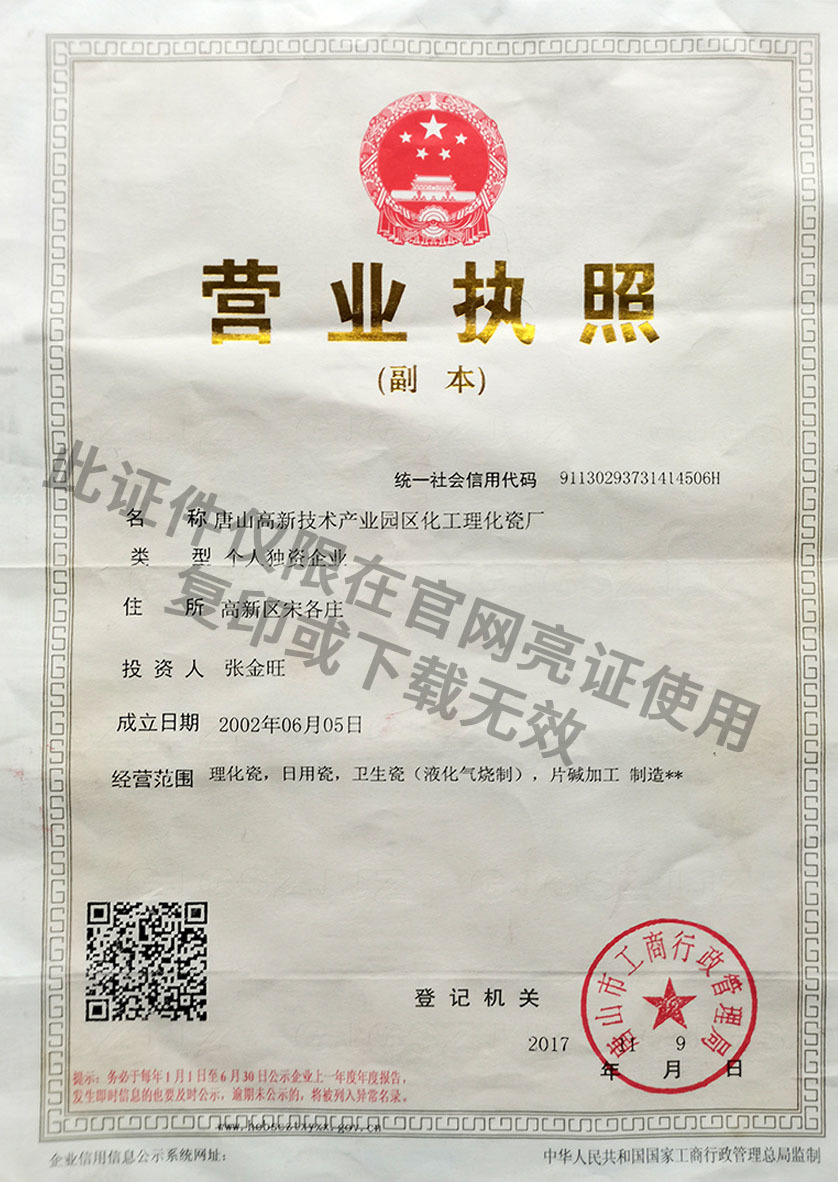
Address: Songgezhuang Chemical and Physical Porcelain Factory, Tangshan High-tech Industrial Development Zone

Telephone: +86-315-5509570 、 +86-315-5509222 

Mobile: +86-13903372399 、+86-13832559317 

Email: tshglhcc@163.com